1984 Mercedes Cup Nurburgring / Senna 190E Full Race
Senna’s Mercedes 190E race car | INSIDE evo
1986 Ayrton Senna and Mercedes-Benz 190 E 2.3-16 w201
This Guy Owns Ayrton Senna’s Mercedes 190E | Eᴘ10: Aᴜsᴛʀᴀʟɪᴀ
SENNA 1984 in Our Hearts
Ever wondered who’s REALLY the fastest F1 driver?
In 1984, we actually found out – when 9 world champions faced off in identical cars.
And a young, unproven Ayrton Senna destroyed them all.
Here’s the wild story:
The Nürburgring had just built a new GP circuit after Lauda’s famous crash.
To celebrate, they had a crazy idea…
Get F1’s greatest champions to race identical Mercedes 190Es.
The lineup was insane:
– 9 F1 World Champions
– Multiple race winners
– Racing legends like Stirling Moss
– And one empty slot…
That’s when Emerson Fittipaldi recommended a 24-year-old rookie who’d only finished 2 races in F1.
Enter Ayrton Senna.
The road cars were properly prepped:
– Full roll cages
– Racing harnesses
– Lowered chassis
– Race-spec exhaust
– Pirelli racing tires
Everything else? Stock standard Mercedes.
Qualifying was pretty tight – top 10 within 1.6 seconds.
But the race? That was pure Senna magic.
By lap 3, he’d fought from P3 to P1 – including an aggressive move on Prost (maybe where their rivalry began?)
While some drivers at the back were playing around, Senna treated it like a championship fight.
Lauda put on a show climbing from P14 to P2.
But no one could touch Senna.
He dominated the field of champions in identical machinery – proving raw talent beats experience.
Fun fact: Lauda’s actual race car from this event sold in 2023 for £270,000.
This wasn’t just a race. It was proof that sometimes, pure talent shines brightest when everything else is equal.
Visa detta inlägg på Instagram
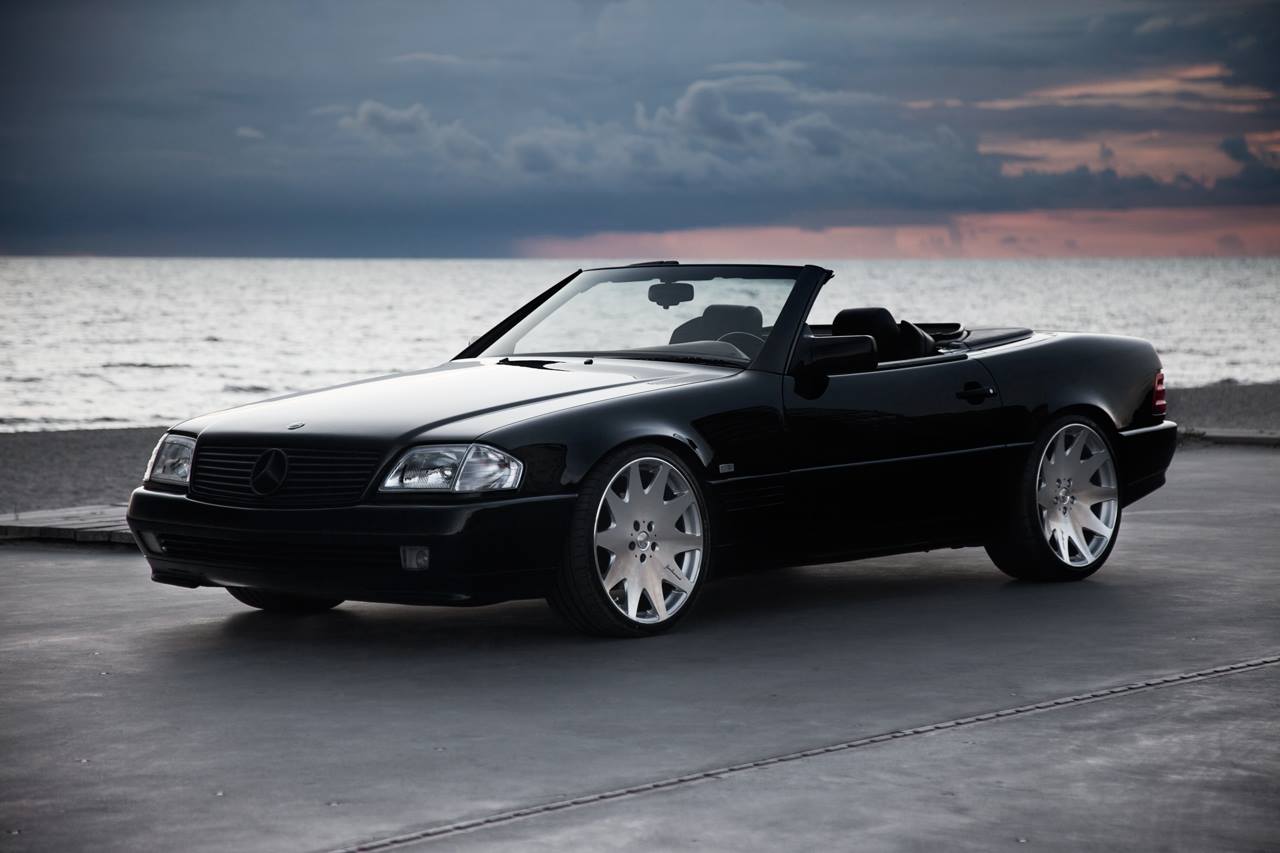
The 1984 Race of Champions at the Nürburgring brought together an unprecedented lineup of Formula One drivers, each placed in identical Mercedes 190E 2.3-16s for the grand reopening of the GP-Strecke. Held on May 12 as part of the new circuit’s inauguration, it offered a rare control test of skill where machinery played no role in separating the grid. Ayrton Senna, then a rookie without a single F1 win to his name, stunned established champions including Niki Lauda, Alain Prost, Keke Rosberg and James Hunt by mastering a damp and evolving surface with precise car placement and total confidence in the 190E’s balance. His measured drive from pole to victory marked an early signal of the race craft that would define the rest of his career.
The Mercedes 190E 2.3-16 used for the event was powered by a naturally aspirated 2.3-liter inline four producing roughly 185 hp, paired with a dogleg five speed manual and a Cosworth developed cylinder head that allowed the car to thrive at high revs. Its chassis featured firmer suspension, quicker steering and a limited slip differential, making it a surprisingly capable platform for the field of F1 drivers adapting to a touring car on a fast, technical track. Watching them work within the identical setup highlighted the value of mechanical grip, smooth weight transfer and clean throttle application, and the performance of the 190E during the inaugural run remains one of the model’s most historically significant moments.