Ja det är väl dags att jag samlar ihop mina inlägg om min favorit Rolex-modell (i brist på en modern Turn-O-Graph), som absolut borde ha en egen tagg, men men, försent för det med.
Så nedan klistrar jag in gamla inlägg, texter, och nya videos.
5 Things to Know Before Buying a Rolex Datejust
** En DateJust MÅSTE ha en Jubilee länk! Den länken gör DateJust till min favoritmodell eller till TOTALT ointressant med Oyster länk.
** Måste vara fluted bezel också, i brist på Turn-O-Graph kransen.
Rolex Datejust 41 Buyers Guide (Steel) – Dials Ranked Worst to Best
My ”affordable” grail watch – Underrated and Unappreciated Rolex
Rolex Datejust Turn-O-Graph 116261 Rolex Watch Review
Oyster Perpetual Datejust Turn-O-Graph Review
This Rolex NEEDS to Come Back! Rolex Turn-o-Graph Datejust
Rolex – Turn-o-graph (116264)
Rolex Datejust Turn-O-Graph Ultimate Guide & How To Use | Bob’s Watches
ROLEX TURN-O-GRAPH 116264
Rolex Turnograph Datejust Ultimate Guide | SwissWatchExpo
Rolex Turn o Graph Limited Production Green Hand 116263 Review
Rolex Datejust 36 Watch Review | Inside Watches Bob’s Watches
The Spirit of the Rolex Datejust
ROLEX Datejust VS Datejust II (41mm vs 36mm)
Is the Rolex Datejust 2 Worth it in 2023?
This Rolex Datejust 41 is GORGEOUS! | Azzurro Blue
ROLEX DATEJUST 41 | MINT DIAL OR BLUE MOTIF DIAL?
Rolex Date Just II
Rolex Turn-o-graph: The Watch Worth Knowing | SwissWatchExpo [Rolex Watches]
Rolex Datejust II & Day-Date II Watch Review
Rolex Datejust II vs Datejust 41 Comparison | SwissWatchExpo
Rolex Datejust II vs Datejust 41 | SwissWatchExpo
1958 Rolex Datejust Turn-O-Graph (Ref. 6609) 18K YG ”Thunderbird”
My ”affordable” grail watch – Underrated and Unappreciated Rolex
Here’s The Thing About The Rolex Turn-O-Graph’s Return.
This Rolex Needs to Come Back: Rolex Turn-o-Graph Datejust
Rolex Datejust 36mm Turn-O-Graph – The Forgotten Rolex
A Week On The Wrist: The Rolex Datejust
The Rolex Datejust: 7 Reasons It’s The Best Luxury Watch Under $5000
Why you should buy a silver dial Rolex Datejust
Why should own a Rolex Datejust! Berend Talks Watches 9
Keep the Rolex Turn-O-Graph, or Go Datejust 41?
3 special vintage Rolex Datejusts and why we love them!!
Rolex Datejust 41 Watch Review | aBlogtoWatch
5 Reasons to Buy a Rolex Datejust 41 mm: A Watch Enthusiast’s List
Dagens Klocka : Rolex Datejust 41 Jubilee 2016 / Rolex Turn-O-Graph
The American Psycho Rolex DateJust: Best Everyday Watch For Success
The True American Psycho Movie Watch
Dagens Rolex-Lektion : Kan du skilja en äkta Rolex ifrån en falsk? + Rolex OysterQuartz Datejust
Det är ständigt en massa tjat om Rolex.
Det går nog inte en dag utan att jag får en Rolex-fråga.
Och ja det rör sig till 95% om Submariner.
Jag har redan svarat på det mesta i en hel del inlägg tycker jag.
Men hey, så länge jag kan svara så gör jag det.
Bara att passa på att fråga =)
Men de senaste dagarna så har det varit lite trevligare att snacka Rolex då både min vän och min brorsa är sugen på ett par nya klockor.
(Även om det är samma snack där.. ”Submariner som alla andra.. eller helguld?!” det är liksom verkligen antingen eller)
Sååå… när jag är positivt inställd till Rolex.. Så blir jag ju själv lite sugen..
Men det är bara en Rolex klocka som lockar mig just nu (Bullshit, en Yacht-Master II i guld vill jag ALLTID ha men pengarna saknas) och egentligen så lockar den inte mig tillräckligt i heller.
Men jag är mycket glad att modellen finns..
Modellen som jag tänker på idag är den nya Datejust 41 som kom nu 2016.

Den stora nyheten var att vi nu har en Datejust med Jubilee länk som är 41mm stor.
Klockan som vi idag kallar för Datejust hette till en början Jubilee då den kom 1945 och Rolex firade 40 år.
Då fanns den bara i helguld.
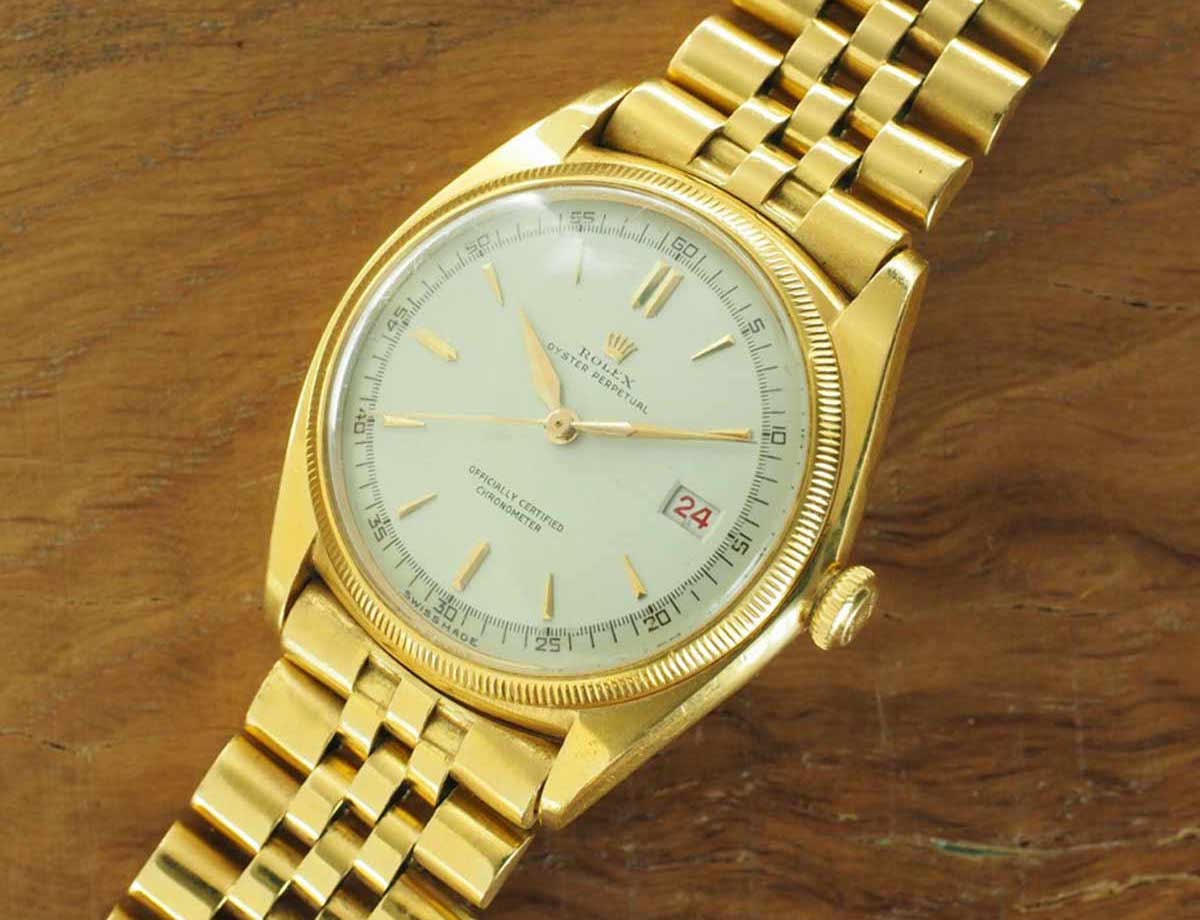
Denna modell ref. 4467 var den första med datum display i urtavlan och där du snabbt kunde ändra datum på kronan.
Men jag ska faktiskt försöka undvika nörda ner mig i klockan i sig.
Utan all fokus idag handlar om länken.
Som vi sedan 1945 känner till som ”Jubilee”

Den länken som enligt mig är den mest typiska Rolex-looken och den mest kopierade looken.
Jag är ett STORT fan utan den länken /klockan för att jag tycker att den är så tidlös och stilig.
Och en väldigt viktig sak som gör att klockan förblir just tidlös och stilig är att en modell med Jubilee länk (Datejust eller Turn-O-Graph) har alltid genom alla dessa år, stilar och mode förblivit bara 36mm stor.
Fram tills 2016.
https://youtu.be/EzFF3PSKn3c
MEN! Jag måste vara jättetydlig här !
En Rolex Datejust 36mm har alltid varit en herrmodell och de finns FORTFARANDE kvar i en massa varianter 36mm modeller hos Rolex, och det kommer de alltid att finnas.
(Rolex Datejust till damer är den mest sålda Rolex modellen någonsin utav alla modeller!)
https://www.rolex.com/watches/datejust.html
Så en Rolex med Jubilee länk ÄR tidlös och kommer alltid att vara det.
https://youtu.be/STVCI-VH1Ko
Det finns ingen annan Rolex modell som har funnits så länge och alltid sett likadan ut.
KLOCKAN i sig har inte alltid sett exakt likadan ut, förstoringsbubblan till datumet kom till 9 år senare, så sen 1954 så har modellen sett likadan ut.
Och sen då så har vi Rolex Turn-O-Graph Datejust som är min favorit, och detta bara för att den har en större och vridbar krans.
Men den ämnet har jag redan täckt väl tycker jag.
Hmm.. Jag hade för mig att det inlägget var MYCKET bättre..
Jag kanske får göra en djupdykning nån dag..
Eller så slänger jag bara in en massa videos istället..
Vilket som, det viktigaste här var att en Rolex Datejust med Jubilee länk har alltid varit 36mm stor, och är det egentligen än idag också.
MEN vi har fått EN 41mm modell nu i år!

Och den är så vacker!
https://youtu.be/tOs_eEnn7EI
Och jag tror att den hade passat mig perfekt..

Även om 41mm fortfarande är litet för mig, så är det stort för att vara Rolex, och framförallt så trivs jag faktiskt riktigt bra med min 36mm idag, även om jag oftast bär klockor som är 47mm och TJOCKA eller STÖRRE!

Men denna är så vacker, så stilren, så klassisk, så perfekt ”Rolex” för mig om nu förstår hur jag menar.
En Rolex för mig är inte en dussin Submariner..
Detta är en Rolex för mig.

The new Oyster Perpetual
Rolex is introducing the new generation of its classic Oyster Perpetual Datejust, featuring an updated design in a 41 mm case and the new Rolex calibre 3235, a movement at the forefront of watchmaking technology. The new Datejust 41 is offered in yellow or Everose Rolesor versions – a combination of 904L steel and either 18 ct yellow or Everose gold – with a wide selection of dials. The new Datejust 41 carries the Superlative Chronometer certification redefined by Rolex in 2015, which ensures singular performance on the wrist.
Vi har haft 41mm Datejust modeller sen ett par år tillbaka. (Visades på Baselworld 2009)
Rolex Datejust II heter den helt enkelt.

(Rolex har redan hunnit ändra lite där, Datejust II finns idag bara i stål eller stål/vitguld, annars så heter modellen Datejust 41 eller Datejust 36 oavsett vilken sorts länk du väljer)

Jag trivdes med den storleken,

Men den klockan var rätt så tråkig..
Mest pga den vanliga länken..

Så.. Nej..
Så Datejust 41mm har funnits i några år nu.
Tyvärr blev den inte alls omtyckt.. gubbarna tyckte att den var stor och klumpig (jävla fjantar)
Så det är ändå rätt så vågat att Rolex släpper en 41mm Jubilee Datejust nu!
Denna länken gör hela klockan utan tvekan!

The new Rolesor Datejust 41 is available on an Oyster or Jubilee bracelet. Both bracelets, combining 904L steel and 18 ct gold, benefit from the new concealed attachment beneath the bezel, which ensures seamless visual continuity between the bracelet and case. They are equipped with a folding Oysterclasp and also feature the ingenious Rolex-patented Easylink rapid extension system that allows the wearer to easily increase the bracelet length by approximately 5 mm, for additional comfort in any circumstance.
Jag var på väg att impuls köpa en sån här klocka i somras då de hade kommit in till butiken.
Jag ringde för att se till så de fanns hemma, var på väg dit, frågade vilka färger de hade hemma (på urtavlan) men då fick jag förklarat för mig och insåg, att dessa nya 41mm modellerna finns bara med guld-urtavla..

Eller ja urtavlan är inte ens Guld guld utan guld / champagne färgad.
Så.. nej.. en sån vill jag inte ha..
För det är just den kombinationen av guld/stål och guld urtavla som jag tycker att man ser som kopior överallt..
Även på bensinmacken..
Och sen rent allmänt så.. nej..
Det är snyggt..

Men nej..
Inget för mig..
Och ju mer jag har tänkt på denna klockan och ju mer jag har kollat på min egna, så är jag helt bestämt att jag SKA ha en med blå urtavla.
Allra helst så vill jag ha en Turn-O-Graph 41mm med blå urtavla, det vill säga exakt som min fast ny och 41mm.
Men jag kan klara mig utan Turn-O-Graph ringen.. För det verkar tyvärr som om Rolex har lagt ned den modellen helt och hållet.

Och den ännu fulare släta ringen vill jag absolut inte ha.

Det är bara snålt att välja den ringen / kransen.
Den räfflade kransen kostar 12 000kr mer än den släta.
Så en ”vanlig” guld/stål Datejust 41mm hade suttit fint
Även utan en Turn-O-Graph krans..
Men jag vill VERKLIGEN ha med blå urtavla.
Absolut inte guld och helst inte svart.
Idag så finns det ett par olika urtavlor att välja mellan.
Svart

”Guld” / Champagne

”Silver”

Vit

Svart med Diamanter

och Champagne med Diamanter

Och du kan få med rose gold /Everose gold istället för gult guld.

Men nej, jag är ett stort fan av Everose gold, men i detta fallet så ska det vara klassiskt guld guld.
MEN!
Väljer du en Everose så har du bara två urtavlor att välja mellan, men två snyggare urtavlor.
Den du ser ovan kallas för Sundust och är den som då ska matcha Everose.
Och sen så har du en snygg brun som är rätt så lockande.

Men inte tillräckligt för att det ska kunna fungera som en vardagsklocka.
Min urtavla är så pass mörk blå att det krävs starkt ljus för att du ska se att den är blå.
Men när du ser det så är den PERFEKT blå!

Så ja.. Det finns väl inte mycket mer att säga..
Den Rolex jag är sugen på nu är en 41mm version av den jag redan har.
Priset på en Rolex Datejust 41 med guld/stål Jubilee länk kostar idag från 112 200 kr med den släta tråkiga kransen upp till 133 700 kr om du vill ha med diamanter på urtavlan.
https://www.hodinkee.com/articles/rolex-datejust-review
https://monochrome-watches.com/watchtime-wednesday-history-rolex-datejust/
Eller… Inlägget blev mycket kortare och tråkigare än vad jag hade väntat mig..
Så lite kan jag nog nörda ner mig.
Om vi ser till den gamla Datejust modellen så har den funnits i MÅNGA år och har då många olika referensnummer.

Reference Numbers
- Oyster Perpetual Datejust
- 1600, 1601, 1602, 1603, 1604, 1605, 1607, 1610, 1611, 1620, 1622, 1623, 1624, 1626, 1630, 5030, 5031, 6104, 6105, 6155, 6251, 6516, 6517, 6602, 6604, 6605, 6624, 6627, 6800, 6815, 6823, 6824, 6825, 6826, 6827, 6828, 6829, 6830, 6831, 6832, 6833, 6835, 6839, 6900, 6901, 6902, 6903, 6905, 6906, 6907, 6908, 6909, 6910, 6911, 6912, 6913, 6914, 6915, 6916, 6917, 6918, 6919, 6923, 6925, 6926, 6927, 6928, 7815, 7823, 7824, 7825, 7826, 7827, 7828, 7906, 7907, 7908, 7912, 7913, 7915, 7916, 7917, 7918, 7919, 7923, 7924, 7925, 7926, 7927, 7928, 8030, 8031, 8032, 8035, 8065, 8066, 8067, 16000, 16003, 16008, 16009, 16013, 16014, 16018, 16019, 16030, 16058, 16078, 16200, 16203, 16220, 16233, 16234, 16238, 16248, 16250, 16258, 16263, 16264, 68158, 68159, 68240, 68243, 68248, 68258, 68273, 68274, 68278, 68279, 68288, 68289, 69008, 69008A, 69018, 69018A, 69038R, 69038S, 69068, 69068A, 69069, 69069A, 69078, 69078A, 69079, 69079A, 69088, 69088A, 69089, 69089A, 69098, 69108, 69108A, 69118A, 69128, 69128A, 69136, 69138, 69138A, 69139, 69139A, 69148, 69148A, 69158, 69159, 69163, 69163A, 69166, 69168, 69168A, 69169, 69169A, 69173, 69173A, 69174, 69174A, 69178, 69178A, 69179, 69179A, 69188, 69198E, 69198R, 69198S, 69258, 69268, 69278, 69279, 69279A, 69288, 79068, 79078, 79079, 79088, 79089, 79126, 79136, 79138, 79158, 79159, 79163, 79166, 79168, 79173, 79174, 79178, 79179, 79238, 79288, 80298, 80299, 80309, 80318, 80319, 80328, 80329, 80359, 116138, 116139, 116203, 116208, 116233, 116238, 179136, 179138, 179158, 179159, 179165, 179166, 179168, 179173, 179175, 179178, 179179, 179239, 179298, 179368, 179459
- Oyster Perpetual Mid-Sized Datejust
- 6824, 6827, 68240, 68243, 68248, 68273, 68274, 68278, 77080, 77014, 77438, 77518, 78240, 78243, 78246, 78248, 78266, 78273, 78274, 78278, 78279, 78286, 78288, 81158, 81208, 81209, 81308, 81338, 81339, 178158, 178159, 178238, 178239, 178245, 178246, 178248, 178269, 178275, 178278, 178279, 178286, 178288
- Oysterquartz Datejust
- 17000, 17000B, 17013, 17014
- Turn-O-Graph Datejust (“Thunderbird”)
- 1625, 6202, 6309, 6609, 16253
Och som ni då direkt kan se så är en Turn-O-Graph väldigt ovanlig i jämförelse.

Men snäppet ovanligare men INTE dyrare att få tag på idag är denna

Rolex OysterQuartz Datejust
Den är faktiskt batteridriven.. och har INTE någon flytande sekundvisare!
Den har jag givetvis redan två inlägg om 😉
Dagens Rolex-Lektion : Kan du skilja en äkta Rolex ifrån en falsk? + Rolex OysterQuartz Datejust
Vill du av någon anledning ha en batteridriven Rolex så kostar de ifrån från 40 000 kr.
Och vissa vill tro att det kommer att bli samlarvärde på dem i framtiden.
I skrivande stund så finns det närmare 300 000 klockor till salu på Chrono24 (alla märken)
Och inte ens 150 st Oysterquartz till salu.
Men det intressanta för mig är då en Turn-O-Graph.
En mycket underskattad modell som har mycket historia.
- Rolex Turn-O-Graph var den första serieproducerade Rolex modellen med roterande bezel
Det betyder att du kan snurra på ringen / kransen.
Detta kom 1953 (ref.6202)


Så den kom före både Submariner och GMT som annars är kända just för sina roterande bezels.
- Rolec Turn-O-Graph ses som den första Rolex ”verktyg/instrument” klockan.
Detta pga den roterande kransen som gör att du kan ta tiden på två olika saker samtidigt.

- Rolex Turn-O-Graph är den första Rolex sportklocka som fanns i two-tone / Guld/Stål utförande.
Hos Rolex så kallas detta ”Rolesor”.
Detta utförande fanns redan hos den första ref.6202 modellen, men den var främst helt i stål.
Two-Tone modellen var en ”ultra luxurious edition” som gjordes i ”very limited quantity”
Så klockan ni ser här är väldigt ovanlig.

Senast jag såg en sån till salu var för 4 år sedan.
Och då menar jag över hela världen.. inte blocket.se….
- Rolex Turn-O-Graph var en officiell militärklocka.
På den senare halvan av 50-talet så fick U.S. Air Force’s Thunderbird aerobatic squadron Rolex Turn-O-Graph klockor för att kunna navigera, och räkna ut saker och ting osv osv..
Som sagt, klockan sågs som ett verktyg/instrument.
Detta tog Rolex full nyttja utav givetvis och släppte då ”Thunderbird” modellen av Turn-O-Graph

Den första/riktiga Thunderbird modellen var helt i 18K guld och hade Thunderbird signumet på urtavlan.
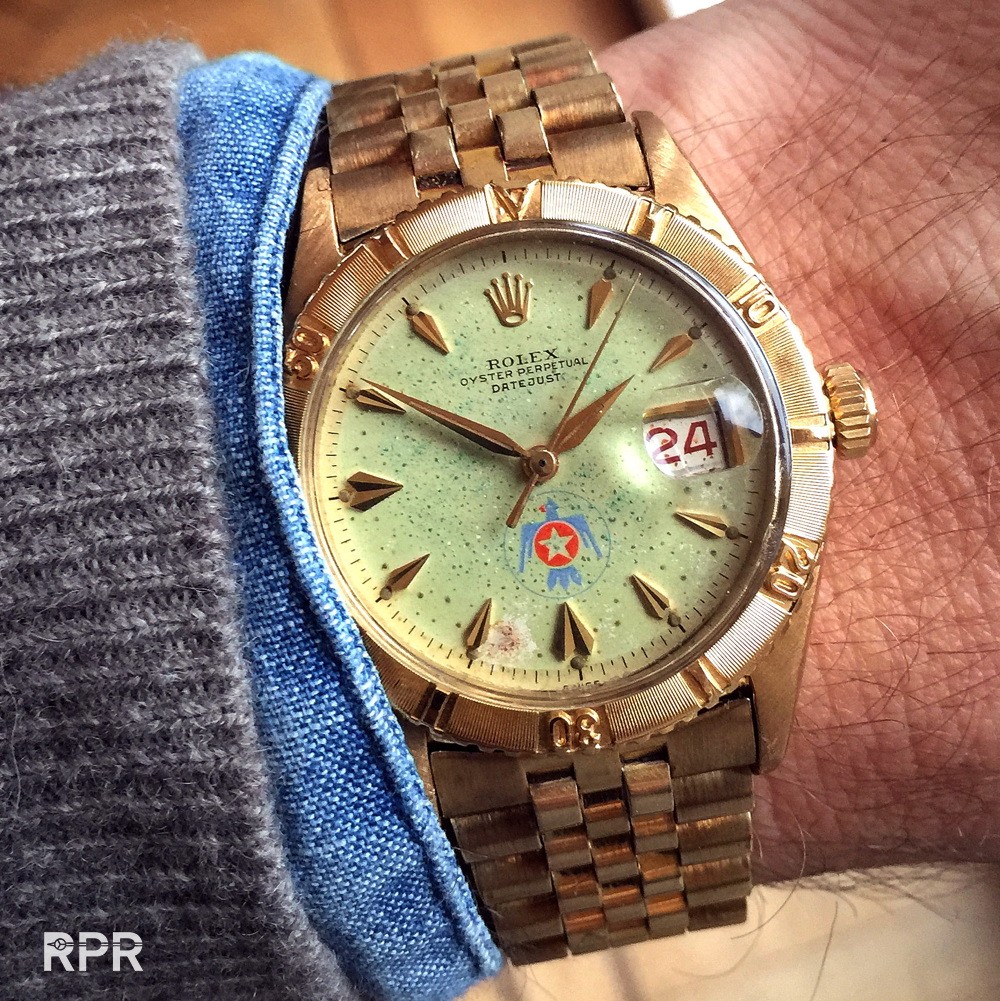
Läs mer om den klockan här.
http://rolexpassionreport.com/6520/the-rolex-thunderbird-of-usaf-captain-maultsby/
Men eftersom Rolex körde stenhårt med PR för att uppmärksamma detta nya förhållande så började Rolex själva därefter kalla alla Turn-O-Graph för ”Thunderbirds”.
Iallafall i USA där namnet betydde något.
- Rolex Turn-O-Graph var Rolex första pilotklocka.
Rolex GMT är den mest kända Rolex Pilotklockan, men Turn-O-Graph var först.
- Rolex Turn-O-Graph har inte alltid funnits i Rolex sortiment.
Det känns som om modellen alltid har funnits..
Men så är det inte..
Modellen fick en Comeback nån gång 2004(?) efter att ha varit borta i flera år.
Och nu är den borta igen.. Sen 2011/12 faktiskt, Jag trodde inte att det var så längesen redan.
Men de finns inte att köpa idag iallafall.
Tyvärr..
Så jag hoppas verkligen på en 41mm Turn-O-Graph snart!Under dessa knappt 8 år som Turn-O-Graph hade en Comeback så sågs de som ”limited production”
Det är ingen modell som är numrerad vad jag vet, men vissa gjorde i så få ex som bara 300 exemplar,
vilket är MYCKET sällsynt hos Rolex.
Andra versioner i 600 ex osv osv.De flesta hade röda detaljer
Grönt som nedan är den som bara finns i 300 ex, och såldes bara i Japan.


- Rolex Turn-O-Graph har funnits med både Jubilee och Oyster länk
Både de gamla (Inte de äldsta, jag vet inte när de började med Oysterlänken) och den senare modellen gick att få med både Jubilee och den tråkiga Oyster länken.

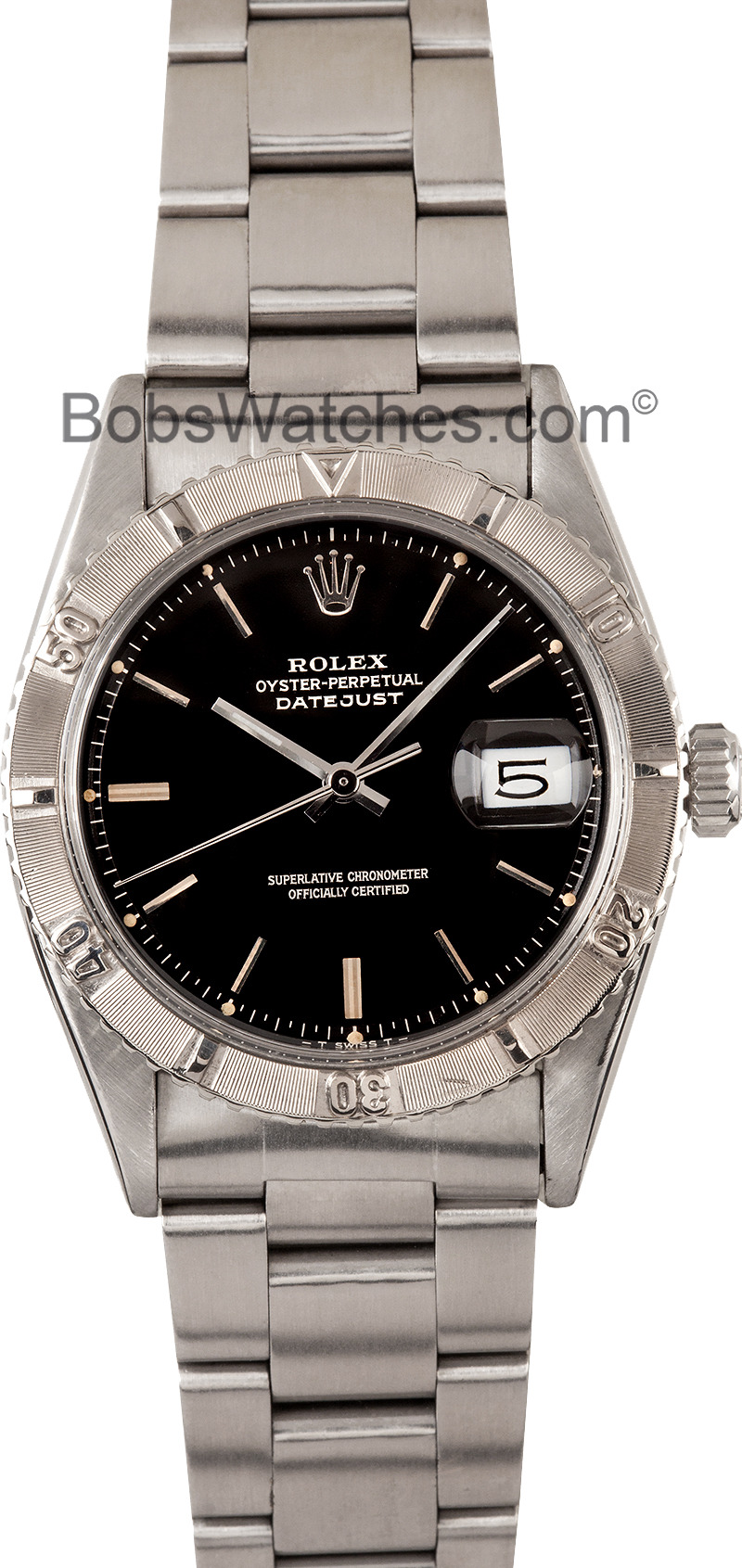

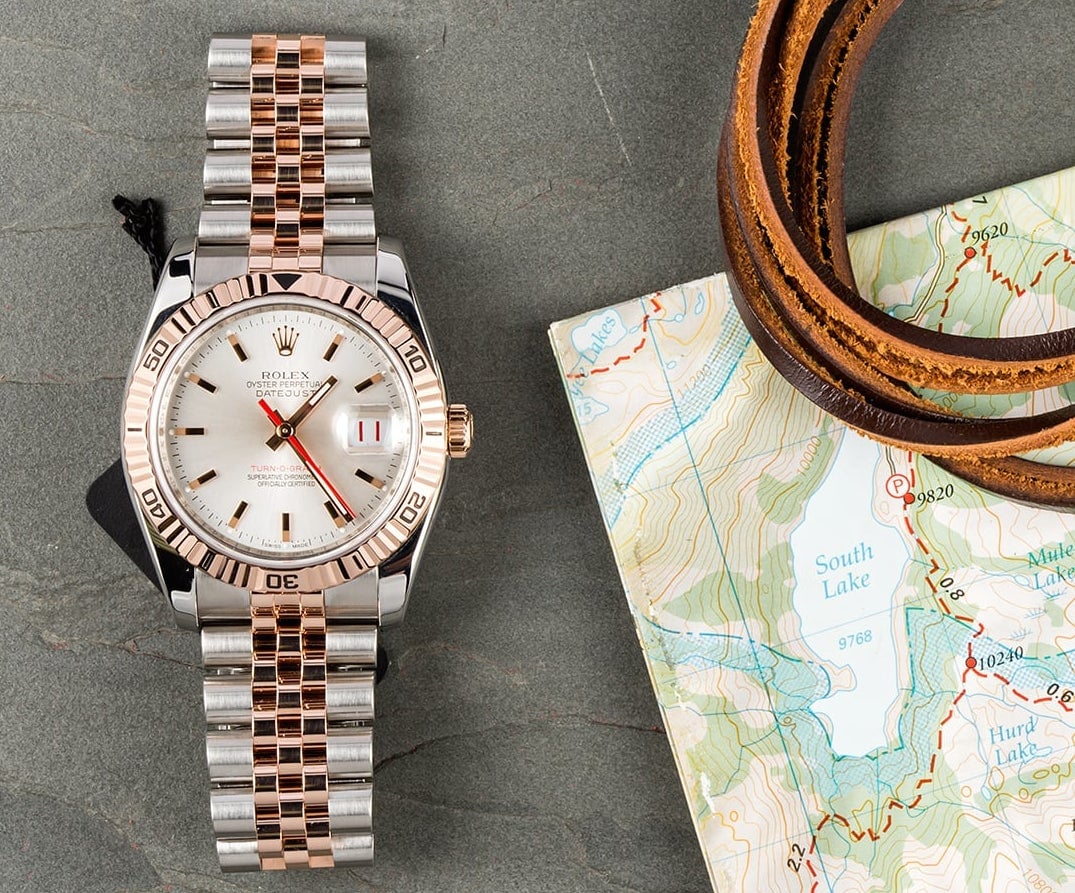
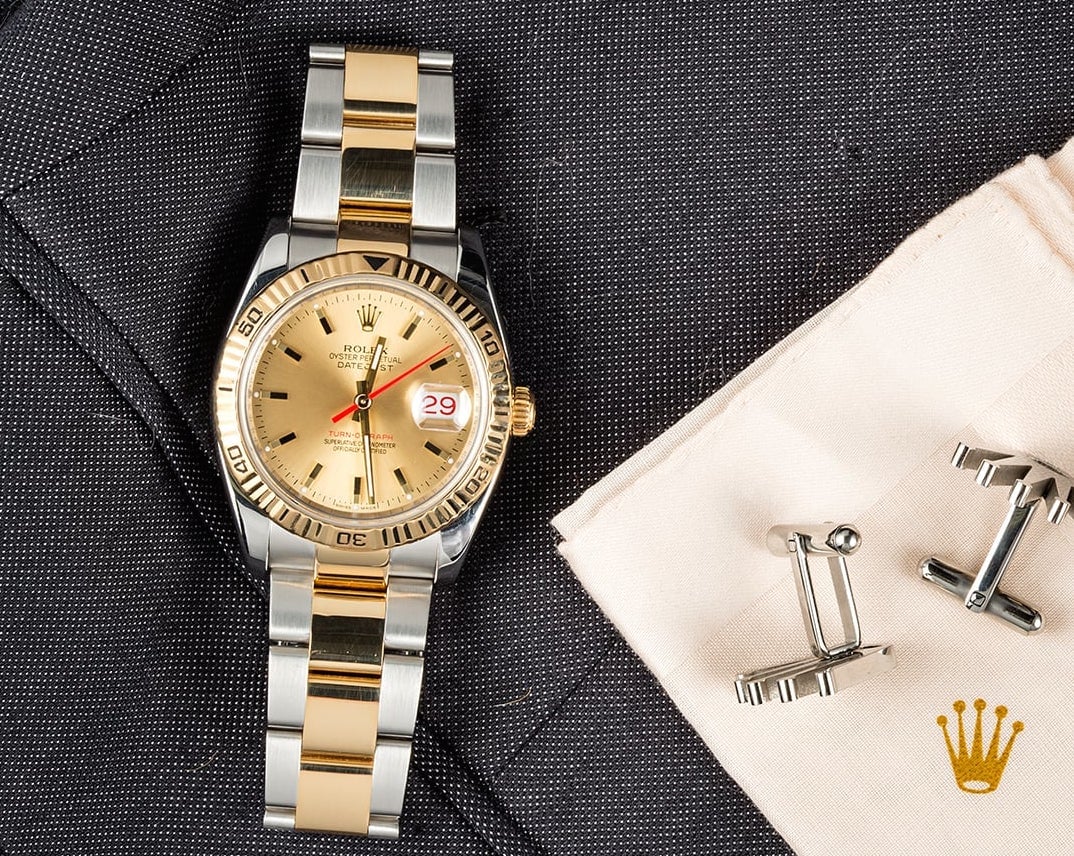
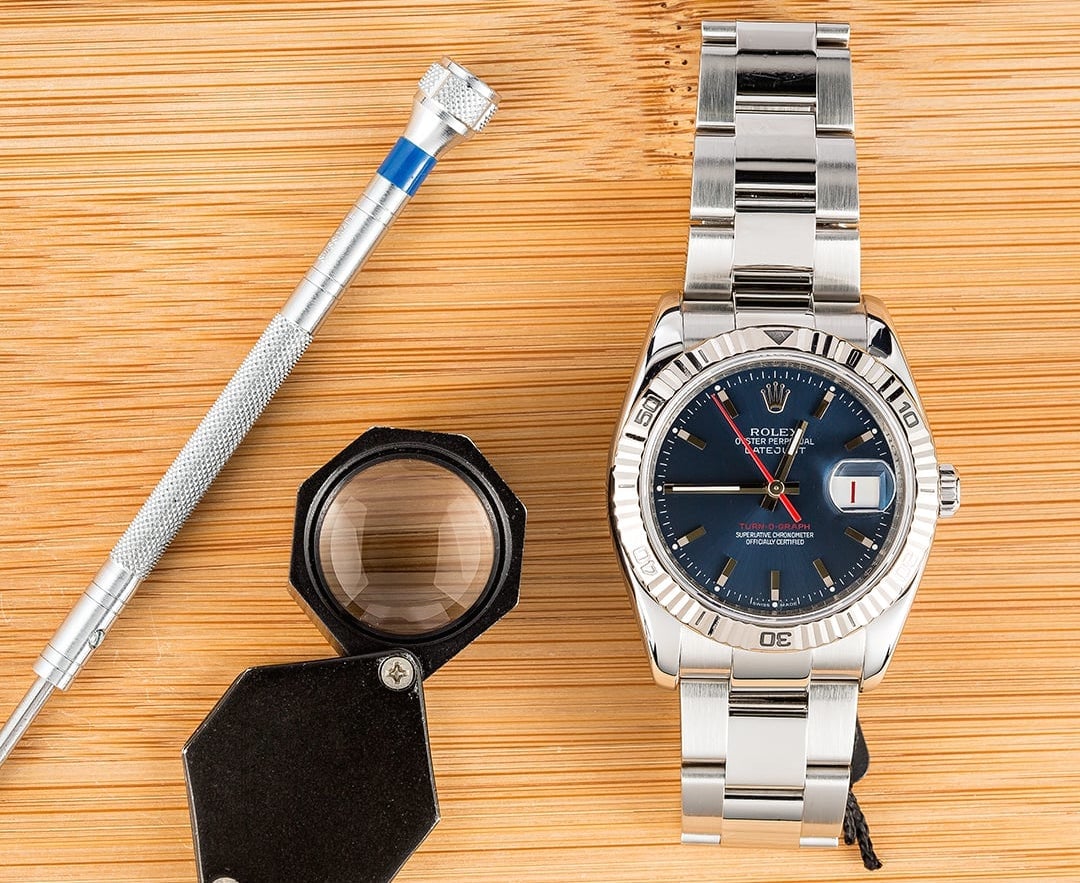

- Rolex Turn-O-Graph har alltid varit 36 millimeter breda
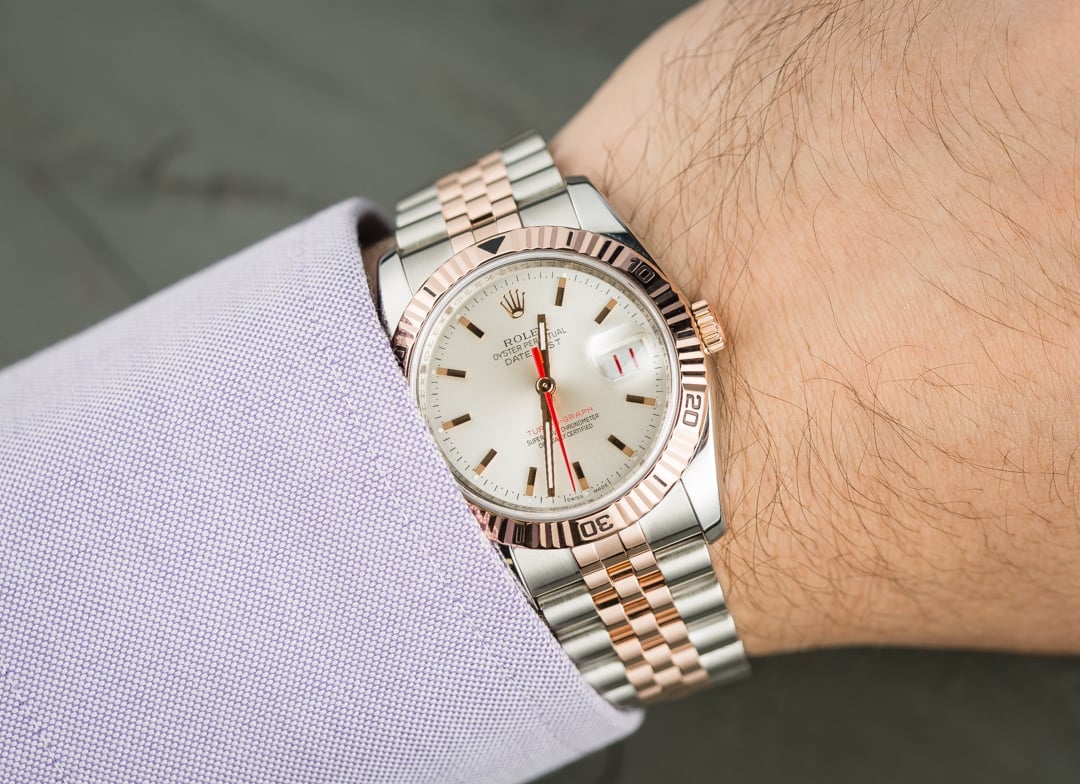
Så, En Rolex Datejust i all ära.
Men nu kanske ni förstår ännu mer varför jag allra helst vill ha en ny Rolex Turn-O-Graph (Thunderbird) Jubilee i 41mm och givetvis i Guld/Stål
Helt enkelt..
En sån jag har fast i större format =)

Jag klistrar in ett gammal inlägg här med fler döda bilder

Vi känner alla till den extremt ytlige perfektionisten Patrick Bateman (Som jag under många år har blivit jämförd med?! )
Så en kille som honom.. där ALLT i hans liv ska vara mer än perfekt i bokstavligen minsta möjliga detalj..
Allt måste vara det bästa.. Annars går det åt helvete..
Vad bar han för klocka?
Givetvis en Rolex 😉
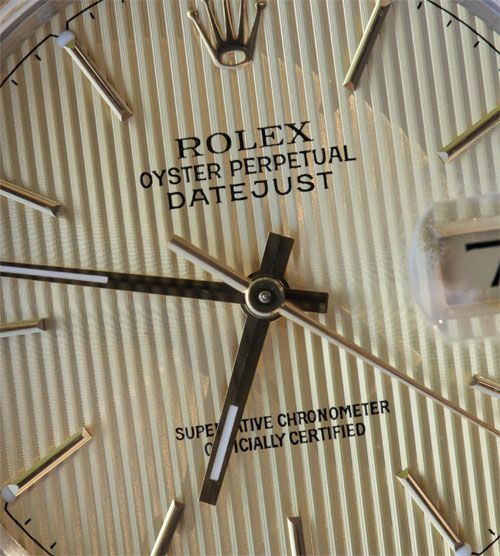
Och vilken Rolex?
En klassisk Datejust.

En klocka som folk idag kanske tycker är alldaglig och tråkig..
Men jag gillar dom.. Eller allra helst en Turn-O-Graph visserligen.
Men det är samma Jubilee länk och case på dom två ändå så.

Och.. Som ni kan se på bilden ovan.. Så är den inte så extremt liten som den egentligen är.
Eller jag menar.. Den SER inte så fjantig ut..
Jag själv.. Trots att jag för det mesta bär klockor över 47mm stora..
Och gnäller på 40mm klockor för att dom är för små.
Jag kan ibland ta på mej en sådan 36mm Rolex.. Och trivas hur bra som

Ja en Datejust är bara 36mm stor.. Eller var det från att den kom 1946 fram tills 2009 då den växte till hela 41mm.

Nu såg den visserligen inte exakt likadan ut under hela sin 36mm period.
Utan den modellen vi bäst känner till är så som den såg ut från 60-talet och framåt tills att den växte.

Och enda anledningen egentligen till att denna klockan idag kan kännas som tråkig.
Är för att den Jubilee länken är den mest kopierade/efterapade/härmade designen någonsin!
Mest för att den har funnits under så många år..
Men du kan bokstavligen köpa en klocka på din närmsta bensinmack som ser ut som en Datejust.
Den har bara funnits med så länge helt enkelt att det är sedan LÄNGE fritt fram att härma.
Och sen så är det ju faktiskt en av dom mest igenkända Rolex modeller som finns.
Även om den designen nu är så kopierad..
Men alla känner igen en Datejust.. Och vi har sett dom överallt.. Filmer.. På politiker.. Kändisar.. Affärsmän.. Osv osv osv.


Och som jag alltid sagt.. En ”guld på stål” / Two-tone är det ultimata Rolex utseendet du kan ha till vardags utan att vara för sportig eller för flashig.. Perfekt helt enkelt..
Perfekt nog för Patrick Bateman.
Vilken klassiker.
Och en Datejust kan du få med vilken urtavla som helst.
Men som sagt.. Jag föredrar en Turn-O-Graph med den större ringen som man kan snurra på.
Och på senare tid då klockorna växte.. Så fanns bara Jubilee länken på just Turn-O-Graph och inte på Datejust….

Eller?
Vilket som..
En 41mm Rolex Datejust II idag.. Är en modern tolkning av en perfekt vardagsklocka för den som inte vill försöka utge sej för att vara sportig på kontoret.
En mogen klocka helt enkelt.

Är du inte rädd för små storlekar eller om du vill ha en klocka till tjejen.
Så är en begagnad Datejust 36mm mycket bra bang for the buck.
If its good enough for Patrick Bateman, It´s good enough for you.
Vill du veta mer om Datejust så klistrar jag in ett inlägg ifrån Motoring Exposure nedan (För att länkar har en tendens att ”gå i sönder” ibland.
The watch division of MotoringExposure is in New York City this week and after two days of strawling around, the number of Rolex watches we see in the flesh is beyond amazing. We would have guessed that since Wallstreet and American Psycho, the Rolex Date-Just would be watch of choice for many for years. However, it is the twenty-tens, and Audemars Piguet’s Royal Oak Off-shore models should have replaced all these banker’s Date-Justs by now.
Anyway, we are pleased to have identified that Rolex is still king in New York. The bi-color Date-Justs with the worn out Jubilé bracelets are the ones on the wrists of many, probably bought from their first salaries to celebrate their upcoming careers in the city.
We thought it would be nice to give some background on – probably – the most classic Rolex there is, the Date-Just. Introduced in 1945, the Date-Just was the first wrist watch with a chronometer movement featuring an automatic calendar. Although these very first 1940s and 1950s Date-Just models still could be recognized as family from the current line-up of Rolex DateJust models, the ones that really could be considered the mother of all Date-Just (and perhaps of modern wrist watches?) is the reference 1600 model. The size of 36mm in diameter, the shape of the case, the Jubilé bracelet and the cyclops that magnifies the date-window by factor 2.5 have been unmistakeably a Rolex Date-Just and lasted until the upgraded Date-Just version in 2005 and the recently introduced Date-Just II.
In the eyes of those who dislike Rolex, only small changes and improvements have been made during the last few decades. In the eyes of Rolex fans world wide, every minuscule improvement has been subject to decent research & development and thorough testing. Truth is probably somewhere in between, but fact is that with every change, Rolex indeed made an improvement. A newer Rolex seems to be better in terms of quality than an older model.
Movements have been slightly improved from the first caliber 1570 types in the ref.1600 Date-Just models (1960s, 1970s) to the current 3135 caliber movements. The Date-Justs from the 1960s and 1970s had this caliber 1570 movement, without a quick-set for the date-feature. It wasn’t until the late 1970s that Rolex introduced a new movement for their Date-Just line of watches, caliber 3035. The Date-Just immediately received a new reference number, starting with 16000 (16014, 16030 and 16253 to name a few variations) and featured a quick-set function for changing the date on this watch and the dial of this newer type of Date-Just was flat from end-to-end whereas the non-quickset Date-Justs had a bit of a pie-pan shaped dial. The plexi crystal remained though.
In 1988, Rolex introduced a new type of movement, caliber 3135 which was quite a change construction wise, since the balance was on a ‘double’ bridge. This type of Date-Just (and movement) lasted till 2005. The model numbers also changed a bit, introducing the ref.16220 for an all stainless steel model and the ref.16234 for a combination of stainless steel and a white gold bezel. There are much more combinations possible, all with their own reference number.
In 2005, Rolex improved the bracelet design and made the Date-Just look a bit bigger by using a bit bigger lugs (or horns). This type of Date-Just looks a bit more solid in comparison to the pre-2005 models. The reference number of these Date-Just changed as well, but this time using the former coding for them, and adding a ’1′ in front of the reference number. So the new 16234 became a 116234.
In 2008, Rolex introduced a new line of Date-Justs (keeping the post-2005 models still in production) with a larger diameter, a whopping 41mm. Not only the exterior of this watch changed, also the movement got an upgrade to caliber 3136. A movement featuring the Parachrom hairspring, an invention patented by Rolex. The Parachrom hairspring is more resistant to magnetic fields and shocks than regular hairsprings, as Rolex claims. The reference numbers didn’t change much, the 116xxx coding system is still valid.
What did change are the prices of the DJII, they are significantly higher than the 36mm Date-Just models. For our own convenience, we left out all the medium and lady sized Date-Justs for this article.
If you are new to Rolex and love to get your hands on a true iconic watch, search Chrono24 (a world wide market place for both dealers and private sellers) for those good ol’ 1980s Date-Justs that DO have a quickset-feature, but are still with a sexy plexi crystal and a slightly stretched (Italian style!) Jubilé bracelet. Approximately 1600 Euro / 1950 USD will buy you a good condition model from the 1980s with box and papers.
If you are a banker that just started out on Wallstreet and need a good watch to show that you just started a great career, try the Date-Just II!
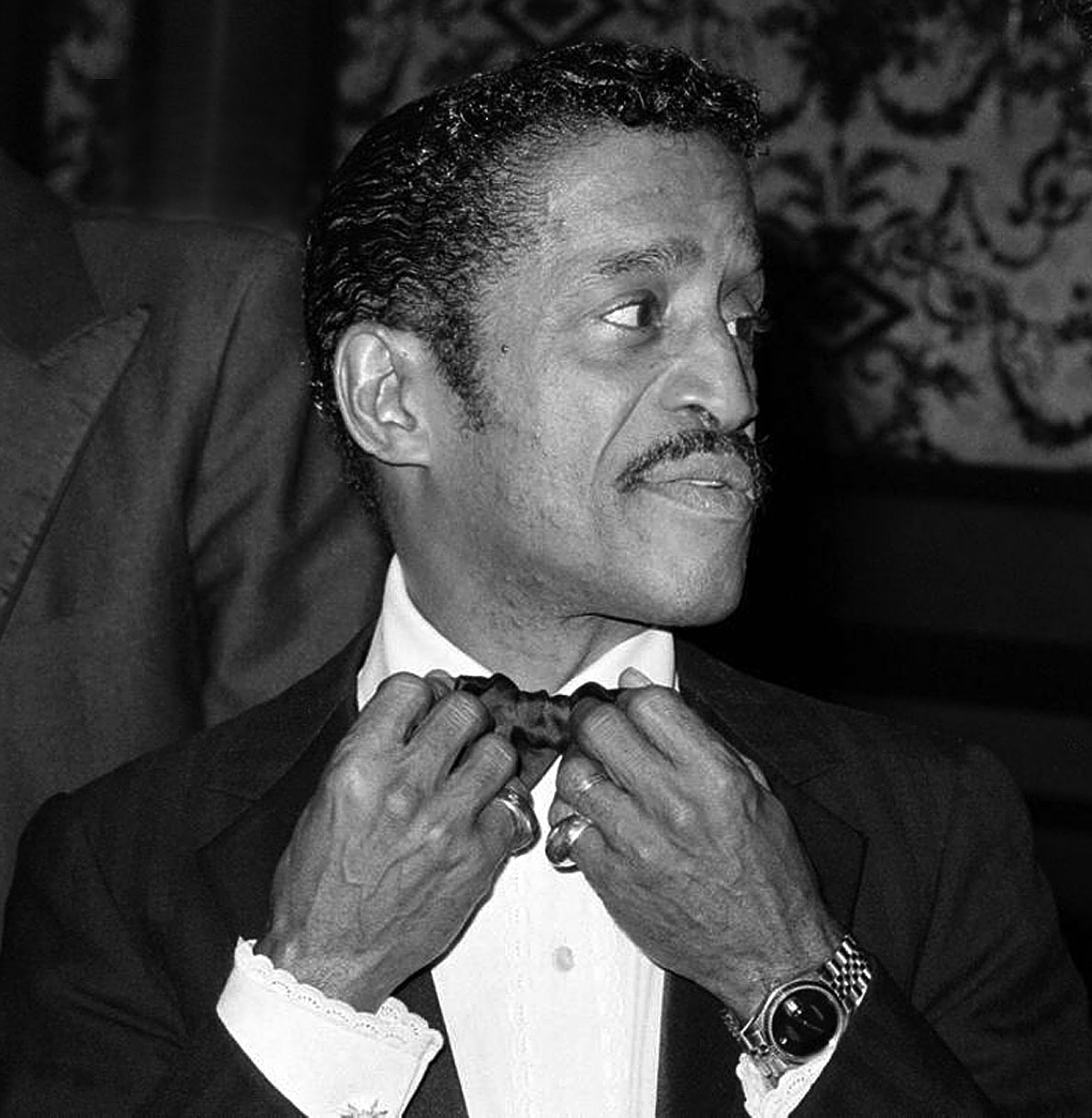
För att inte göra inlägget så fult så slänger jag in fler kändisar med Datejust här nere istället.




Hidden Gems | Rolex Turn-O-Graph ”Thunderbird” | Crown & Caliber
** Vi behöver verkligen en modern och större Turn-O-Graph… Något som jag har tjatat om i många år.
** Det är väldigt underligt att Rolex har försummat denna modellen helt..
** Jag skulle vilja ha både en med röd sekundvisare och en med grön sekundvisare, bara för att.
Rolex Datejust Turn-O-Graph Ultimate Guide & How To Use | Bob’s Watches
Bara ge mig en blå urtavla på en Rolesor och ALLRA helst en Turn-O-Graph sen ska jag direkt ha en sån!
Med andra ord en precis som min 36 mm 😉
Has the Rolex DateJust Been Left Behind? | Watchfinder & Co.
Why I Bought a Vintage Rolex Datejust (Ref 16030)
Why Is the Rolex DateJust So Popular? | Watchfinder & Co.
Why the Everose Gold and Oystersteel Datejust 41 is Worth $13,050
** Jag tycker absolut om Everose, väldigt mycket.
Men Datejust är för perfekt med guld gult för att man ska ändra på det..
Eller? Är det kanske så att Rose gold ger klockan den där extra moderna looken?
** Jag tycker ju att de urtavlor som finns att välja mellan idag till modellen med gult guld är väldigt tråkiga, jag väntar ju på en blå urtavla.
Men den bruna urtavlan till modellen med Everose är ju faktiskt riktigt snygg..

Kanske bara inte tillräckligt rolig för mig att bära som brukis.
** En Turn-O-Graph ring hade gjort susen för mig.
Gärna med röd (eller grön) sekundvisare också.

Rolex Datejust 41 Jubilee Bracelet 41mm 126333 Superlative Chronometer Luxury Watch Review
Rolex Datejust History
Is The Rolex Datejust Becoming Obsolete?
Rolex Datejust – History & Design
What you need to know before buying a Rolex Datejust
2018 Rolex Datejust Dark Rhodium Rose Gold Steel (126231) Luxury Watch Review
Rolex Datejust Turn-O-Graph 16263 Rolex Watch Review
Rolex Datejust 36mm Review
Rolex Datejust 41 Review
Rolex Datejust 36mm vs 41mm
Is the Rolex Datejust A Must-Have In Your Watch Collection?
I Bought A Defective Watch: Rolex Datejust 36 Long Term Review
A Classic ROLEX | DATEJUST 36mm – Chrono24 Review
The PERFECT Entry Level ROLEX | Datejust | Chrono24
Rolex Datejust 126333 Ultimate Buying Guide | Bob’s Watches
3 Rolex Datejust from 3 Different Decades
Rolex Datejust 126300 Ultimate Buying Guide | Bob’s Watches
The History of the Rolex Datejust | Bob’s Watches
Rolex 126334 Datejust 41 Azzurro Blue Roman Dial on Jubilee
Rolex Datejust 41 – 126334 Review
1960 Rolex Datejust ref. 1601 in 18k Rose Gold
Rolex Turnograph aka THUNDERBIRD! prices are RISING
Rolex Datejust 41 vs 36 | Differences beyond the obvious
Top 10 asked questions about the Rolex Datejust + everything you need to know
3 things you need to know before buying a ROLEX DATEJUST!
20+ Rolex Datejust Variations – RANKED!
Better than a Datejust? One Month with the Rolex Turn-O-Graph
Timeless or Old-Fashioned? Why The Modern Rolex Datejust is Both…
** Min absolut främsta favorit Rolex modell är en DateJust, men främst pga Jubilee länken, så nu när de har börjat sätta den länken på andra modeller så behöver det inte vara just en DateJust.
Men Rolex DateJust ser jag fortfarande som den vettiga, stiliga, ”cleana”, vuxna, icke ”investerar” modellen som verkligen är tidlös och bland de mest kända Rolex modeller någonsin, just pga länken.
En modell som funkar på båda man och kvinna, ung som gammal.
Sportig eller stilig.
Så nu när modellen är ”het” igen bland ”vanligt folk” och modellen firar 80 år i år så hoppa jag VERKLIGEN att Rolex firar detta med några speciella modeller.
Jag vill jättegärna köpa en ny DateJust, helst en Turn-O-Graph.
Men det måste vara en Rolesor (Guld/Stål) och det ska helst vara med blå urtavla.
Men den kombon har de inte haft på typ 40 år..
Det vore kul om Turn-O-Graph kom tillbaka, men det tror jag inte.
Och jag föredrar ändå en GMT med den extra och oftast färgglada timvisaren.
Men jag vill helst inte ha svart urtavla… Det är för tråkigt..
The Rolex Turn-O-Graph and Its Iconic Design | SwissWatchExpo
The One Rolex I’d Recommend To Anyone- The best luxury watch in the world!?
The Datejust is THE BEST modern Rolex you can buy | CHANGE MY MIND
** 31 mm är också en dam-modell.
Det är absolut inget för herrar.
Så Herrar har två storlekar, 36 mm och 41 mm.
Och damer har då 4 storlekar att välja mellan, 28 mm, 31 mm och de större 36 mm och 41 mm.
Still Worth It in 2026? The Datejust Review You Actually Need to Watch
Rolex Datejust 36 vs 41: DON’T BUY Until You Watch This!
5 things you should know before buying a used Rolex Datejust.
https://www.gqindia.com/content/the-rolex-datejust-buying-guide
The Rolex Datejust Buying Guide

The most expensive Rolex Datejust ever sold at auction was a Reference 6305 from 1955 that once belonged to Konrad Adenauer, the first Chancellor of the Federal Republic of Germany. While Adenauer, the godfather of the modern German state, is a titan of post-WWII European politics, he’s no Paul Newman, and that distinction says a lot about the Rolex Datejust.
As the (deep breath) first self-winding waterproof chronometer wristwatch with a date window on the dial, the original Datejust was handsome, robust, accurate, and highly functional—and so it remains today. Without the Submariner’s connotations of adventure, the Speedmaster’s Paul Newman connection, or the Day-Date’s association with world leaders, however, it never attained the cachet of Rolex’s most coveted models. Still, after 80 years in continuous production it contains everything there is to love about a Rolex watch.
“It deserves its place among the pantheon of great Rolexes because it either introduced or cemented many of the hallmarks of design language for Rolex,” says Yoni Ben-Yehuda, the head of watches at Material Good, citing hallmarks like the Jubilee bracelet, the fluted bezel, and the Cyclops magnifier. “It’s also effortlessly chic and is perfectly contextualized in any collection.”
Newer Datejusts have more robust bracelets, larger bezels, and blockier cases, which makes them more durable and solid-feeling, says Perri Dash, the co-host of the Wrist Check podcast. That said, the cool factor of vintage references like the 1601 cannot be denied. “The improvements enhance the watch’s ability to handle the daily grind, but for many a collector this also increases the yearning for vintage,” he says.
“There’s a romantic quality to old Datejust watches with their stretchy and noisy bracelets, and scuffed, unpolished cases. They conjure up feelings of what it must have been like to take a meeting on a car phone in the back of your limo in the ’80’s.”
5 Datejusts Every Rolex Fiend Should KnowThe ’60s-Era StunnerRead moreThe Quartz ClassicRead moreThe Breezy GrailRead moreThe ’80s BankerRead moreThe Wimbledon FavoriteRead more
The Rolex Datejust Ref. 4467
The first Datejust, released in time for Rolex’s 40th anniversary in 1945, had a 36mm yellow gold case and the first Jubilee bracelet. While 1945 Datejusts are rare, particularly those with their original gold bracelets intact, Ref. 4467s from subsequent years can be found in the mid-five-figure range. Nicknamed “Ovettone” for its egg-shaped bubbleback case, their other hallmark features include alternating black and red “roulette” date numerals, and arrowhead-shaped “alpha” hands.


The Rolex Datejust Turn-O-Graph “Thunderbird” Ref. 6609
The name “Datejust” was added to the dial in the 1950s, along with a bunch of important changes to its design. These included the famed “Cyclops” date magnifier, Rolesor (a.k.a. two-tone) options, and a new, slimmer case. Among the lesser-known additions to the line was the “Turn-O-Graph,” with a rotating bezel that effectively turned the Datejust into a stopwatch. The “Turn-O-Graph” never really caught on, but thanks to an endorsement by the US Air Force’s Supersonic aerobatics team, the Thunderbirds, the Ref. 6609 remains one of the more unusual and collectible early Datejusts.


The Rolex Datejust Ref. 1600/1601/1603
The early 1960s launched an era of unprecedented Datejust plurality, and the Ref. 1600, 1601, and 1603 were its vanguards. Available in gold, steel, and Rolesor, with several interesting dial permutations including linen and onyx, this generation established the look that would define the Datejust for decades to come.
Among its most distinguishing features is a “pie pan” dial with a pronounced bevel on the outer edge. Because these were produced in untold numbers for nearly 20 years, they are among the most affordable vintage Datejusts out there. (Pro tip: the last digit of each reference number indicates its bezel style: 0 for smooth, 1 for fluted, and 3 for engine-turned.)


The Rolex Datejust Oysterquartz Ref. 17000/17013/17014
By the late 1970s, quartz (a.k.a. battery-powered) watches were upending the long held watch industry power structure, and brands like Seiko and Casio were on the rise. Rolex, like many of the big Swiss brands, responded with its own quartz lineup, the most famous of which was the Datejust Oysterquartz. Despite being the quirky kid in the family, the much-maligned Oysterquartz received a bump in 2025 thanks to the release of the Rolex Land-Dweller, which has a similar-looking integrated bracelet design. Notably, the Oysterquartz (or ‘OQ’ to its fans) was one of the first Rolex models to feature a sapphire crystal.


The Rolex Datejust Ref. 16200/16233/16234/16220
If you’re after an ideal mix of vintage looks and modern reliability, take a look at the five-digit Datejusts launched in the late ’80s. Aside from having roughly the same proportions as earlier models, this generation offers the modern advantages of scratch-resistant sapphire crystals, beefier 904L steel, and a quick-set date. And that’s to say nothing of an improved Caliber 3135 movement that would power the Datejust until 2015. As with previous generations, the last one or two digits indicate the bezel type (smooth = 16200; fluted = 16233/16234; and engine-turned = 16220).


The Rolex Datejust “Palm Leaf” Ref 126200/126233
Messing with the essential design of the Datejust is a bit like putting sunglasses on the Mona Lisa, but Rolex does like to have fun with its dial every now and then. Opinions were mixed when these palm leaf dial variants dropped in 2021, but between their launch and their discontinuation in 2024, they’ve become some of the more collectible contemporary Datejusts.


The Rolex Datejust “Wimbledon” Ref. 126334/126333
Released in 2016 as a successor to the short-lived Datejust II, the Datejust 41 is the biggest model in the Datejust family. While purists may prefer the time-honored 36mm size, the larger case is the only one available in Rolesor with a slate gray and money green dial, a.k.a. the Wimbledon. Named in honor of the famed (and Rolex-sponsored) British tennis tournament, it got an added boost of cachet when Roger Federer wore a yellow gold Rolesor Ref 126333 Datejust after clinching his record-breaking eighth Wimbledon singles title in 2017.


Via gq.com
Visa detta inlägg på Instagram
How the Rolex Datejust Became the Crown’s Most Recognized Watch
Rolex’s bestselling watch turned 80 years old this year.

By the close of the Second World War, Rolex had been producing its famous waterproof Oyster case for close to 20 years, and its Perpetual automatic movements for nearly 15 years. The potent combination of these two important horological developments led to the Oyster Perpetual, a series of highly water resistant, automatically-wound timepieces that would be adopted into all manner of famous tool watch collections in the intervening decades.
In addition to marking the close of the bloodiest conflict in human history, 1945 also signified 40 years since the founding of Hans Wilsdorf’s famous watch company. To celebrate four decades of innovation and achievement, the brand released a special solid-gold Oyster Perpetual reference, the 36 mm 4467, with a date complication and a multi-link bracelet that it dubbed “Jubilee.” While it may be taken for granted now, this reference represented the world’s first automatic, waterproof chronometer wristwatch with a date function. Soon—and following some important changes—it would come to be known as the Datejust.
While for many, the word “Rolex” immediately calls to mind the Submariner, GMT-Master, and Cosmograph Daytona models, it’s in fact the Datejust that has been the best-selling Rolex collection for much of its history and it is, therefore, the most widely recognized model from the brand. Less expensive in certain configurations than its Professional-collection cousins, the Datejust offers elegant looks, a handy date complication, myriad dial and metal configurations, and the choice of Jubilee, Oyster, or President bracelets.
Considered by many to be a “dress watch” despite its heavy metal bracelet and thicker case, it’s able to carefully bridge the gap between everyday and more formal timepieces. Available since nearly the beginning of its long history in two-tone steel and gold, it’s also perhaps the watch most associated with that particular aesthetic. Bringing together numerous Rolex innovations, the Datejust was, in the eyes of company founder Hans Wilsdorf, a type of ultimate Rolex. Indeed, numerous world leaders and celebrities of the mid-20th century were gifted or wore the model: Winston Churchill, Dwight D. Eisenhower, and Martin Luther King were all seen with one on their wrists. (Churchill was in fact presented with Rolex’s 100,000th Certified Chronometer—which happened to be a Datejust.)
Delving into every possible configuration of the Datejust would be a nigh-impossible undertaking—delineating numerous important references and their key attributes, however, is eminently doable, and offers an instructive illustration as to why this classic watch model has so admirably stood the test of time. While other models and model families have come and gone, the Datejust remains steady, predating every other Rolex collection with the exception of the Oyster Perpetual itself, of which it is a variation. In a world in which products are introduced and retired at alarming speed, the Datejust—which turns 80 in 2025—has exhibited remarkable longevity. There’s little doubt that it will continue to do so.
NOTE: Rolex production dates are approximate due to overlapping production of various reference numbers. Rolex production during the mid-20th century was an iterative process that often saw countless minute changes to dials, cases, and parts within a single reference, thus making it exceptionally difficult to catalog each and every change.

Rolex Oyster Perpetual ref. 4467 (~1945-1959)

Rolex Oyster Perpetual ref. 5030/5031 (~1948-1950)

Rolex Oyster Perpetual Datejust ref. 6104/6105 (~1950-1953)

Rolex Oyster Perpetual Datejust ref. 6309/6609 “Thunderbird” (~1954-1959)

Rolex Oyster Perpetual Datejust ref. 16XX Series (~1958-1977)

Rolex Oysterquartz Datejust (1977-2004)

Rolex Oyster Perpetual Datejust ref. 16XXX (~1977-1988)

Rolex Oyster Perpetual Datejust ref. 162XX (1988-2004)

Rolex Oyster Perpetual Datejust II ref. 1163XX (2009-2016)

Rolex Oyster Perpetual Datejust 41 1263XX (2016-Present)

Rolex Oyster Perpetual Datejust ref. 126234-0051